



The beauty industry is overflowing with promises of miracle hair growth. From rosemary-infused serums to Ayurvedic herbal blends, countless products claim to deliver waist-length hair in record time. But do these oils truly accelerate hair growth, or are they simply enhancing the health of the hair you already have?
This guide explores the Best Hair Oils for Extreme Hair Growth: Tested & Ranked, separating scientific evidence from marketing hype. Understanding what truly influences hair growth can save you time, money, and frustration while helping you build a routine that delivers real results.
What Actually Determines Hair Growth?
Before evaluating oils, it’s essential to understand how hair grows. Hair growth originates from the hair follicle, not from the products applied to the hair shaft.
Key Factors Influencing Hair Growth
- Genetics – Determines the natural growth rate and hair density.
- Hormones – Conditions like androgenetic alopecia are hormonally driven.
- Nutrition – Adequate protein, iron, and vitamin D support healthy follicles.
- Age and Health – Overall wellness significantly affects hair cycles.
- Medications and Medical Conditions – Certain treatments can either promote or inhibit growth.
On average, human hair grows 0.5 to 1.7 cm per month. While this rate can be optimized through healthy habits, it cannot be dramatically accelerated by topical oils alone.
Hair Growth vs. Length Retention: Understanding the Difference
Many people believe their hair is not growing when, in reality, it is breaking before reaching its full length. This distinction is crucial:
- Hair Growth: Occurs at the scalp within the follicle.
- Length Retention: Involves protecting the hair shaft from breakage.
Most oils excel at length retention, not at increasing the actual growth rate. They reduce friction, improve manageability, and protect the hair from damage, allowing you to retain more of the hair you naturally grow.
Best Hair Oils for Extreme Hair Growth: Tested & Ranked
Based on scientific evidence and practical effectiveness, hair oils can be categorized into four groups.
Category 1: Evidence-Based Length Retention Helpers
1. Coconut Oil
Why It Works:
- Penetrates the hair shaft due to its lauric acid content.
- Reduces protein loss during washing and styling.
- Strengthens hair and minimizes breakage.
Best Use: Apply as a pre-shampoo treatment to protect hair from damage.
Verdict: Excellent for length retention.
Category 2: Conditioning Oils with Limited Growth Evidence
2. Castor Oil
Benefits:
- Enhances shine and thickness.
- Provides moisture and lubrication.
Limitations:
- No strong clinical evidence supporting faster hair growth.
- Perceived growth often results from improved hair care routines.
Verdict: Useful for conditioning, not growth.
3. Argan Oil
Benefits:
- Protects against environmental and oxidative damage.
- Improves manageability and softness.
Limitations:
- Lacks scientific evidence for stimulating hair growth.
Verdict: Ideal for cosmetic improvement.
Category 3: Trendy Oils with Limited or Inconsistent Evidence
4. Rosemary Oil
A frequently cited 2015 study compared rosemary oil with a low-strength minoxidil solution in individuals with androgenetic alopecia. After six months, both groups showed improvement.
Important Considerations:
- The study involved a specific medical condition.
- Results required consistent use over an extended period.
- Commercial products vary significantly in formulation.
Verdict: Potentially helpful but not a guaranteed growth solution.
5. Peppermint Oil
Benefits:
- Provides a refreshing sensation and may improve scalp comfort.
- Limited animal studies suggest potential benefits.
Limitations:
- Lack of robust human clinical trials.
Verdict: Promising but not proven.
Category 4: Oversold or Marketing-Driven Oils
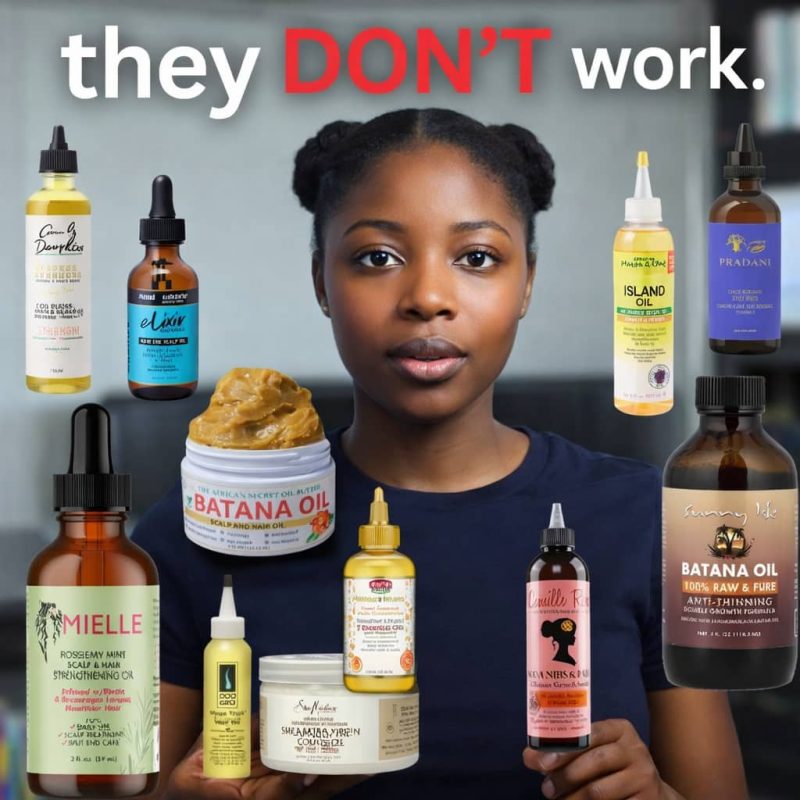
6. Batana Oil and Ayurvedic DIY Blends
Common Claims:
- Awakening dormant follicles.
- Rapid and dramatic hair growth.
Reality:
- Evidence is largely anecdotal or based on complex regimens that include diet and medical treatments.
- Benefits are primarily related to conditioning and scalp care.
Verdict: Mostly marketing hype with minimal scientific support.
Comparison Table: Effectiveness of Popular Hair Oils
| Oil Type | Main Benefit | Scientific Evidence | Best For | Growth Impact |
|---|---|---|---|---|
| Coconut Oil | Reduces protein loss | Strong | Length retention | ⭐⭐⭐⭐⭐ |
| Castor Oil | Adds shine and moisture | Weak | Conditioning | ⭐⭐⭐ |
| Argan Oil | Protects from damage | Weak | Manageability | ⭐⭐⭐ |
| Rosemary Oil | May support scalp health | Limited | Specific hair loss cases | ⭐⭐ |
| Peppermint Oil | Refreshing scalp sensation | Limited | Scalp comfort | ⭐⭐ |
| Batana/Ayurvedic Oils | Conditioning | Anecdotal | Moisture | ⭐ |
When Do Oils Actually Help?
Hair oils are most effective when used as part of a comprehensive hair care routine focused on length retention.
Practical Ways Oils Support Healthy Hair
- Reduce Breakage: Lubricate strands to minimize friction.
- Improve Detangling: Provide slip for easier styling.
- Enhance Shine and Softness: Improve the overall appearance of hair.
- Protect Against Environmental Damage: Seal in moisture and shield the cuticle.
Real-Life Example
Consider two individuals with the same natural growth rate. One frequently uses heat styling and tight hairstyles, while the other practices gentle detangling and applies coconut oil regularly. Over a year, the second individual is likely to retain significantly more length not because their hair grows faster, but because it breaks less.
Common Mistakes People Make
1. Expecting Immediate Results
Hair growth is a slow biological process. Oils cannot deliver dramatic changes within weeks.
2. Using Undiluted Essential Oils
Highly concentrated essential oils can irritate the scalp and lead to inflammation or shedding.
3. Ignoring Underlying Medical Conditions
Persistent hair loss may require medical evaluation and evidence-based treatments.
4. Overloading the Scalp
Excessive oil application can clog pores and disrupt scalp health.
5. Confusing Marketing Claims with Science
Terms like “anti-thinning” or “scalp strengthening” often lack clinical meaning.
Evidence-Based Treatments for Hair Loss
For individuals experiencing genuine hair loss rather than breakage, medically proven treatments may be necessary.
Options to Consider
- Minoxidil: Clinically proven to stimulate hair growth in certain conditions.
- Prescription Medications: Such as spironolactone for hormone-related hair loss.
- Professional Consultation: Dermatologists or trichologists can provide personalized treatment plans.
These options should always be pursued under professional guidance.
Building an Effective Hair Care Routine
Step-by-Step Guide
- Maintain a Healthy Diet
- Ensure adequate intake of protein, iron, and essential vitamins.
- Use Oils Strategically
- Apply coconut oil as a pre-shampoo treatment.
- Use lighter oils like argan for styling and shine.
- Adopt Gentle Hair Practices
- Detangle carefully using wide-tooth combs.
- Opt for low-tension protective styles.
- Prioritize Scalp Health
- Keep the scalp clean and monitor for irritation.
- Avoid products that cause itching or burning.
- Manage Lifestyle Factors
- Reduce stress through exercise and adequate sleep.
- Stay hydrated and maintain overall wellness.
High-Value vs. Low-Value Approaches
| High-Value Approach | Low-Value Approach |
|---|---|
| Balanced nutrition | Relying solely on oils |
| Gentle hair handling | Frequent heat styling |
| Evidence-based treatments | Following social media trends |
| Consistent routine | Constant product switching |
| Professional consultation | Ignoring persistent hair loss |
Conclusion: Do Hair Growth Oils Really Work?
The truth behind the Best Hair Oils for Extreme Hair Growth: Tested & Ranked is both simple and empowering. While most oils do not accelerate the biological rate of hair growth, they play a vital role in length retention and overall hair health. Coconut oil stands out as the most evidence-backed option, while others like castor and argan provide valuable conditioning benefits.
Rather than chasing miracle solutions, focus on nurturing your hair through consistent care, healthy lifestyle choices, and evidence-based treatments when necessary. Sustainable results come from patience and informed decisions not from marketing promises.